


 Back
Back




 Play
Play



GolfPass (with ads)
Ad-Supported with free account
-
 Access to select GolfPass videos (with ads)
-
Pick up where you left off with video progress tracking
-
Limited access to articles on-demand
-
Save videos to watch later
GolfPass Video
Ad-Free Video Streaming
-
Includes 7-day free trial
-
Access to all GolfPass videos ad-free
-
GolfPass Points - earn and redeem toward free or discounted tee times
-
Exclusive video instruction from top instructors and tour pros like Rory McIlroy
-
GOLF Channel favorites, including Big Break
-
Fully unlocked GolfPass mobile app
GolfPass+ Annual
Includes All GolfPass Video Benefits
-
$10 monthly tee time credits
-
Unlock member-only rates on select tee times
-
Waived fees on 12 bookings, for up to 4 players per booking
-
Tee time protection on up to 12 tee time bookings
-
12 months of Peacock Premium
-
Access to all GolfPass videos ad-free


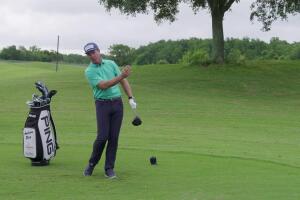
You step up to the tee on a par 5 and it’s downwind with no hazards in sight; what can you do to smash a drive without having to swing out of your shoes? Andrew Rice breaks down how you can optimize your setup and contact to hit it farther in this situation.
Comments (10)
What is wrong with using this all the time except when hitting into the wind? Does it cause less accurate direction?
Makes sense the15th at Mornington GC , Victoria, Australia is a shot over a hill. Generally, there is a crosswind; either right to left over water or left to right from Antarctica, a helping tailwind is a rare luxury. Without challenge, there can be no success.
You said don’t do this all the time. Why not?
Great tip, Andrew. Could you do one on riding a cross-wind?
Does a10 degree driver go farther than 9 degree driver .
Curious - why/how does hitting higher up on the clubface reduce spin? What does lower spin mean for control - does it just launch higher, or does it have an effect on slices or hooks?


What is wrong with using this all the time except when hitting into the wind? Does it cause less accurate direction?