


 Back
Back





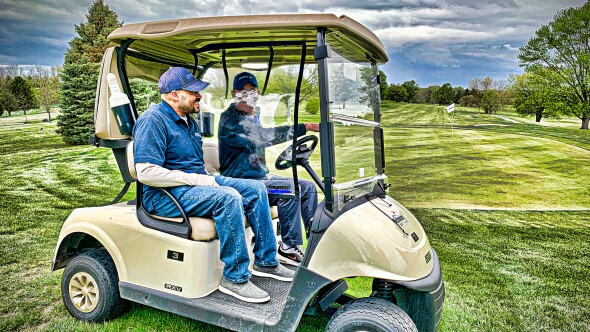
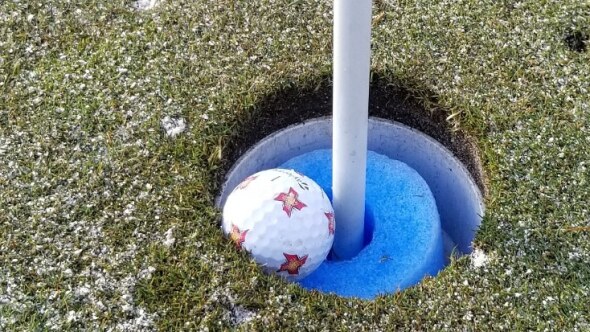
Golf has been one of the fortunate industries to enjoy a "pandemic bump" in 2020. The socially-distanced nature of the game combined with operators' commitment to the "touchless" golf experience has facilitated a healthy pastime in a nervous year. You've no doubt noticed such operational changes at the golf courses you've played this year such as flagsticks left in, innovative cup solutions, single-rider carts, removal of water stations and courses going cash-less or prepaid.
Another popular move at courses coast-to-coast has been the removal of bunker rakes, a common touch point worth eliminating when a contagion is on the loose. Six months later, some courses have brought them back onto the course, while most have not. According to a poll of my Twitter followers, over 70% of respondents say rakes remain in the barn at their home course.
Hoping y’all can help me out with an upcoming article:
— Brandon Tucker (@BrandonTucker) October 15, 2020
What is the status of the bunker rakes at your home course?
With operators rethinking every element of the golf experience for 2020 and beyond, bunker rakes are by no means assured of coming back at your home course. Consider a recent article from the USGA Green Section's George Waters on rakes. Among the reasons to consider never bringing rakes back is the expense to the course (a thoroughly trapped layout could have $5,000-10,000 worth of rakes scattered around the grounds). Rakes slow down morning mowing. They can create rulings issues in competition and slow pace of play.
There's also the age-old debate: Should rakes be places inside or outside bunkers?
Brady Wilson, general mangaer of Ak-Chin Southern Dunes, who told us this spring they had removed the rakes at his bunker-laden, Aussie Sandbelt-style designed course, told me they are not yet back. When overseeding is complete in November, he is considering putting only greenside rakes back.
Other courses are reducing or eliminating how many bunkers there are. Consider the case of Eisenhower Golf Course outside Annapolis, Maryland. Golf Course Industry magazine reports on the renovation by architect Andrew Green that will remove ALL bunkers in the 2.0 design.
New bunker rake invention suggests a personal solution
This year we've noticed complaints about bunker upkeep in many Golf Advisor reviews, and I've noticed at some local, low-end and muni courses that traps have deteriorated in quality with puddles in the center and weeds around the edges. In spite of heavy play, some courses have still dealt with labor challenges.
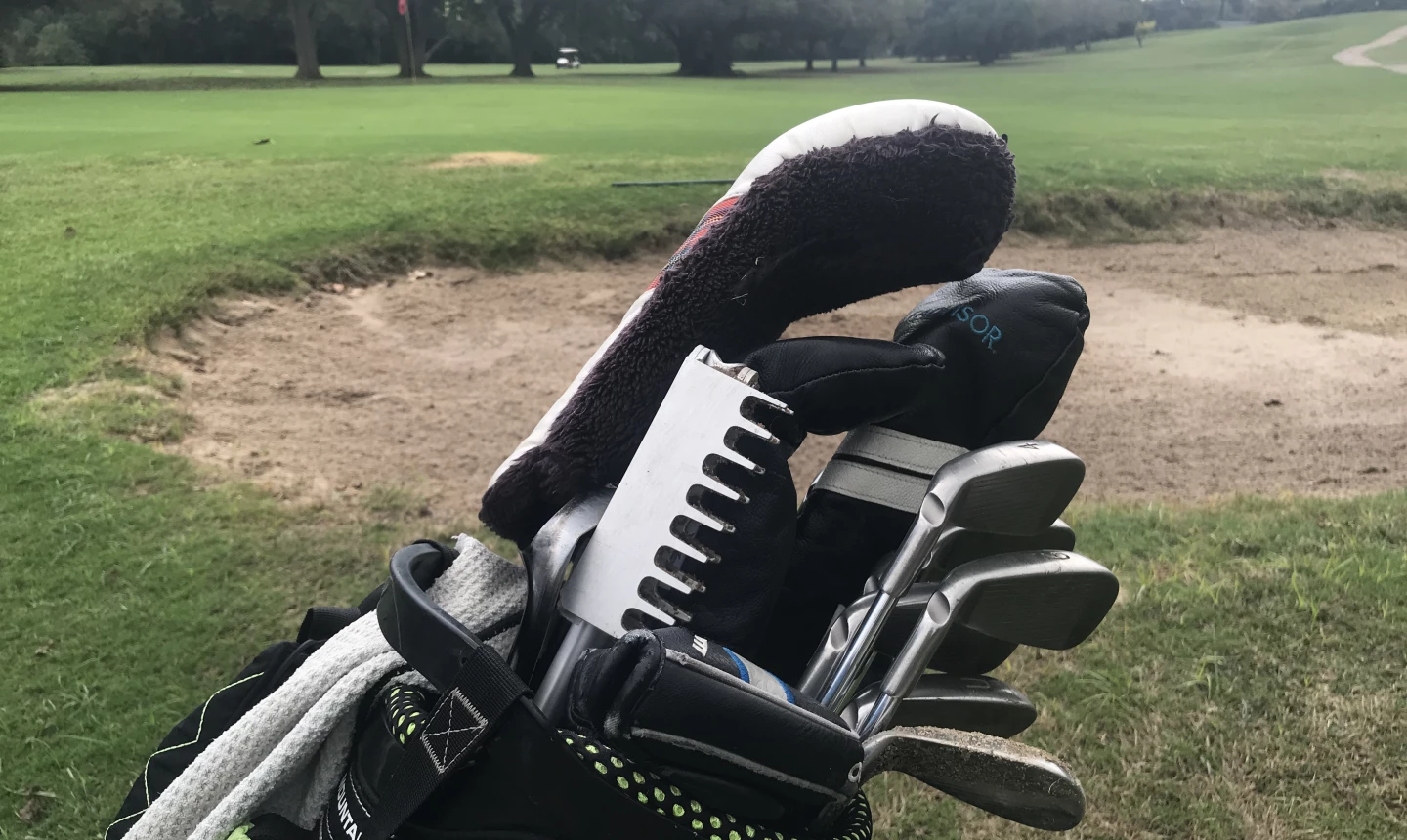
So what if the onus of bunker upkeep was placed more on the player and not the golf course staff? That's the logic behind Perry Satterlee's new product, the Trap Wizard. The Seattle resident realized when rakes at his home club were removed this spring that there was a unique way to solve the issue: Give each player their own rake.
"We want to advance the sport to the point where you're playing faster and shift responsibility away from the course and onto the player," said Satterlee.
The gist is that rather than an all or nothing approach dictated by the course, players would instead carry personal ones in their bag. The Trap Wizard is just .6 pounds (275g) of aluminum and folds up into your bag. It is less of a burden than a golf umbrella.
The Trap Wizard ($49.99 retail at TrapWizards.com) contraption is pretty foolproof: just pull it out of your bag and fold out the two collapsed rake arms. The rake works well pulling sand towards you. Pushing sand, at first, can cause the two rake to fold back down, but as sand starts to work its way into every crevasse of the device, it stiffens up and becomes easier to push. The Trap Wizard is shorter than the average rake you encounter on the course, so a little extra knee bend is required for leverage.
"I've ran it over 20 times in my car," said Satterlee. "You can't really destroy these things."
One thing is for sure, the smooth aluminum handle won't splinter in your hand like those decaying wooden rakes are wont to do.
So how could a personal bunker rake replace the traditional army of on-course rakes after the pandemic? Perhaps private club greens committees would provide each member with a personal rake (like a personal sand bottle) and market it as a way to improve course maintenance and pace.
Or, these rakes could be provided to caddies and forecaddies looping at courses where they are mandatory in each group, thus eliminating the aesthetic blemishes of on-course rakes.
As for daily-fee golf, those golfers who simply want to play faster and not touch communal objects or worry about finding and using the course's rakes could simply B.Y.O.R.
Would you want your home course to provide personal bunker rakes instead of leave them on the course? Let us know in the comments below!






Comments (110)
Now if only the men will use them!!! They must love these COVID days where they can just leave their footprints behind for us...
I would be un favor if personal rakes if provided by the golf course. The rake would need to be sterilized after each round similar to how grocery stores sanitize carts between customers.
Now if only the men will use them!!! They must love these COVID days where they can just leave their footprints behind for us...
I would be un favor if personal rakes if provided by the golf course. The rake would need to be sterilized after each round similar to how grocery stores sanitize carts between customers.
I am for everyone buying their own rake. If the golf course supplies one on each cart; two things happen, one, it violates covid 19 policy about contact to others. Two, half the people will forget to put them back in their cart causing maintenance personnel to be exposed, let alone having another task (they already have enough) of returning to golf shop. Not having rakes laying around getting in the way is a great solution.
So now I have to PAY to rake a trap. (Unbelieveable)!!!! As if green's fees aren't high enough already. Look, Covid is a temporary inconvience. When things go back to normal I would like to see rakes back on the course. Hitting into a trap and then seeing your ball in someone's unraked footprint does not add enjoyment to anyone's round.
Yes they should; make them available for purchase. Years ago on TGC, there was a reality show about golf inventions. My second favorite was called a “Bunker Buddy”. It never made it to production. It was the same concept, except you kept it in your back pocket; you pulled it out & put it on the end of your club handle to rake a bunker.
Courses should rake the bunkers at least once every day...too many courses are just using COVID as an excuse to get out of providing the basics. Put a rake on each cart, like southern courses do and sanitize it when you sanitize the cart. Pretty simple!
Good article and another positive coming out of the pandemic. All good options. Courses provide sand bottles...why not a collapsible mini-bunker rake for each golf cart? If you walk, stick one in your bag. No course provided rake... buy one and stick it in your bag...along with your ball retriever. Here's an idea...a 2- for-1 device that acts as a ball retriever AND a bunker rake. Worst case...you could buy a small, lightweight, regular garden rake and stick it in your bag. Lots of better options than the old slow down play, search for the rake, leave it in or out, possible contagious handle system.. Let's not remove bunkers.
I am in favor of leaving rakes off the course and the club providing a rake to the players or putting it on the cart with the sand.
Removing bunkers would make play go faster, but changes the dynamic of the course rating to an easier level.
I think they should just replace the sand with grass and get rid of the bunkers altogether :-D
Too many people are behaving like Covid is forever.